Back to top
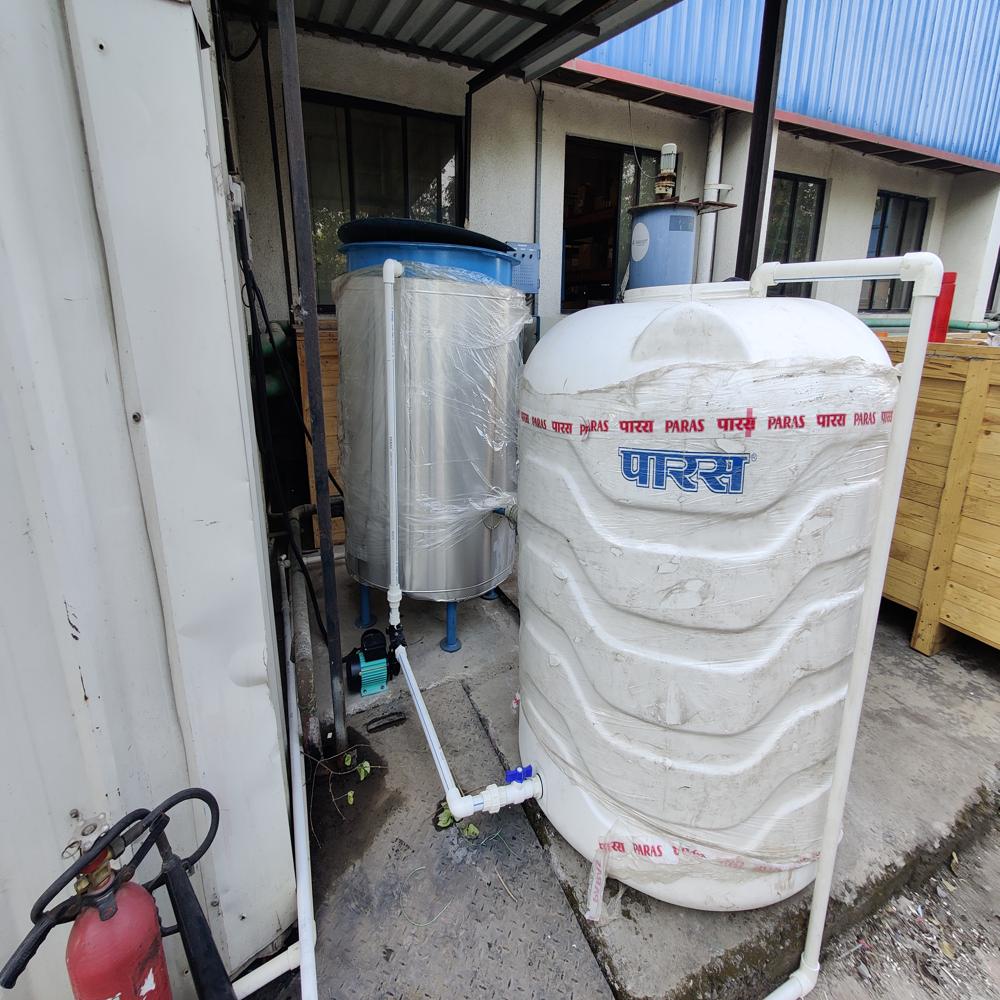
Zero Liquid Discharge System

Zero Liquid Discharge System

Price 500000.0 INR/ Piece

MOQ : 1 Piece

Zero Liquid Discharge System Specification

  • Material
  • MS
  • Flow Rate
  • High
  • Application
  • Water Treatment
  • Installation Type
  • Manual
  • Treatment Technique
  • Water Purification
  • Product Type
  • Sewage Treatment Plants
  • Technology
  • Sewage Treatment Plant
  • Power Source
  • Electric
  • Operation Type
  • Automatic
 

Zero Liquid Discharge System Trade Information

  • Minimum Order Quantity
  • 1 Piece
  • Payment Terms
  • Cash in Advance (CID)
  • Supply Ability
  • 1 Piece Per Week
  • Delivery Time
  • 15 Days
  • Sample Available
  • Yes
  • Sample Policy
  • Contact us for information regarding our sample policy
  • Packaging Details
  • Standard
  • Main Export Market(s)
  • Asia, Middle East, Africa
  • Main Domestic Market
  • All India
  • Certifications
  • YES
 

About Zero Liquid Discharge System

Zero Liquid Discharge (ZLD) is a wastewater treatment strategy aiming to eliminate all liquid effluent discharge from a facility by recovering and reusing water, and converting residuals to solid waste
The goal is zero discharge of processed water any remaining waste is in solid or dry form
ZLD is used especially in industries where discharge limits are strict, or water scarcity is critical.

When designing or selecting a ZLD system / product, several features become critical:

  1. Water Recovery Efficiency
    Many ZLD systems target 9598% recovery of the water (i.e. only 25% ends up as concentrate / solid waste). arkchem.co.in+3vzld.co.in+3alfalaval.my+3

  2. Energy Consumption & Heat Integration
    Evaporation and concentration are energy-intensive. Use of mechanical vapor recompression (MVR), heat recovery, vacuum operation, and efficient heat exchangers are important. alfalaval.my+2vzld.co.in+2

  3. Scalability & Modularity
    Systems should be modular to scale with plant capacity (e.g. from a few KLD up to thousands of KLD). alfalaval.my+3arkchem.co.in+3saienvirocare.com+3

  4. Material of Construction (MOC)
    For high TDS, corrosive or aggressive effluents, materials like SS316L, Duplex/Super Duplex, Alloy 20, Hastelloy may be required. vzld.co.in+2saienvirocare.com+2

  5. Anti-fouling / Anti-scaling Measures
    Use of chemical dosing, cleaning protocols, frequent backwash or CIP systems to prevent fouling. vzld.co.in

  6. Automation & Monitoring
    Real-time measurement of key parameters (pH, conductivity, TDS, flow) and control systems to optimize operation and safety. vzld.co.in+1

  7. Solid Waste Handling / Disposal
    The design must ensure that the crystallized solid waste is easy to handle, store, transport, or potentially valorize (if useful salts are present).

  8. Footprint & Layout
    ZLD plants can need significant space depending on capacity and process choices (evaporation, crystallization).

  9. Cost (CapEx / OpEx)
    Capital cost is high (equipment, heat exchangers, evaporators), and operating cost (energy, chemicals, maintenance) can be significant.


Benefits

  • Regulatory Compliance: Ensures compliance with strict environmental discharge norms (e.g. CPCB / SPCB in India) by eliminating liquid discharge. vzld.co.in+2saienvirocare.com+2

  • Water Reuse & Conservation: Recovered water can be used in utilities (boiler feed, cooling, washing), reducing freshwater demand. SME Business Services+2saienvirocare.com+2

  • Reduced Waste Volume: Instead of disposing large volumes of liquid effluent, only small quantity of dry solids remain.

  • Resource Recovery: In some cases, salts or valuable compounds can be recovered from waste streams. prakrriti.com+1

  • Environmental Footprint Reduction: Lowering discharge and pollution, better sustainability profile.

  • Operational Reliability & Automation: Modern systems reduce manual intervention, with monitoring, alarms, interlocks.


Challenges / Limitations

  • High Energy Demand: Evaporation and concentration consume significant energy, which can make operating costs high. vzld.co.in+3Wikipedia+3Wikipedia+3

  • High Capital Cost: Investment in specialized equipment (evaporators, crystallizers) is expensive.

  • Scaling & Fouling Issues: Salt precipitation, scaling, fouling of membranes or heat exchangers is a challenge.

  • Solid Waste Disposal: The crystallized waste must be disposed of or managed properly; if hazardous, handling becomes more complex.

  • Space Requirements: For large capacities, the footprint can be significant.

  • Economic Feasibility: For some low-strength effluents or low discharge constraints, ZLD may not be economically viable.


Applications / Industries

ZLD systems are employed in industries where wastewater is high in dissolved solids or strict emission norms exist. Common applications:

  • Chemical, petrochemical & process industries

  • Pharmaceuticals / API manufacturing

  • Textile dyeing & printing

  • Food, beverage, and distilleries

  • Power plants (cooling tower blowdown)

  • Mining & metallurgy

  • Oil & gas (produced water, refinery effluents)

  • Pulp & paper, leather


How the ZLD System Works

The Zero Liquid Discharge System employs an advanced water purification process that treats sewage and transforms it into reusable water. Automatic controls ensure efficient operation, significantly reducing human intervention. The high-flow capability allows it to handle large volumes, making it ideal for industrial applications where water conservation is crucial.


Key Benefits of Implementing ZLD

Using a ZLD system helps facilities comply with environmental regulations by eliminating liquid waste discharge. This not only conserves water but also reduces costs associated with water procurement and waste management. The use of MS material ensures durability, while automation increases reliability and ease of use.


Installation and Application Areas

The ZLD system is installed manually and is suitable for diverse applications in water treatment across various industries. Thanks to its sturdy construction and advanced features, the system is commonly used in manufacturing plants, commercial establishments, and industrial facilities throughout India.

FAQs of Zero Liquid Discharge System:


Q: How does the Zero Liquid Discharge System operate in a sewage treatment plant?

A: The ZLD system employs automatic control to purify sewage water, recycling it for reuse or safe discharge. Electric-powered machinery and multiple treatment techniques are utilized to ensure water is purified to acceptable standards, stopping any liquid waste from leaving the facility.

Q: What materials are used in constructing the ZLD system and why?

A: The system is primarily built from MS (mild steel), chosen for its strength, longevity, and resistance to corrosion in industrial environments, ensuring reliable operation under high-flow sewage treatment conditions.

Q: When is a Zero Liquid Discharge System most beneficial?

A: A ZLD system is particularly advantageous when environmental compliance is required, or where water conservation is a priority. It is ideal for industries with high water consumption and strict waste management policies.

Q: Where can the Zero Liquid Discharge System be installed?

A: This system can be deployed in a range of industrial or commercial locations across India. Typical sites include manufacturing facilities, wastewater treatment plants, and locations where large quantities of sewage need to be treated and reused.

Q: What is the process involved in treating wastewater using this system?

A: High-flow sewage passes through multiple purification stages, including filtration, chemical treatment, and advanced water purification methods. The treated water is either reused or safely released, achieving zero liquid discharge.

Q: How is the system installed and operated?

A: The ZLD system installation is performed manually by qualified technicians. Once established, its operation is fully automatic, requiring minimal human intervention for routine supervision and maintenance.

Q: What are the main advantages of using a ZLD system for water treatment?

A: The system substantially reduces liquid waste, enables water recycling, lowers operational costs, and supports regulatory compliance, offering significant economic and environmental benefits to users.

Tell us about your requirement
product

Price:

Quantity
Select Unit

  • 50
  • 100
  • 200
  • 250
  • 500
  • 1000+
Additional detail
Mobile number

Email

More Products in zero liquid discharge plant Category

Wastewater Evaporator

Wastewater Evaporator

Price 500000.0 INR / Unit

Minimum Order Quantity : 1 Number

Warranty : 1 Year

Product Type : Sewage Treatment Plants

Material : MS

Operation Type : Semi Automatic